-
Call Now ! +86 18231158869
-
Email Now [email protected]

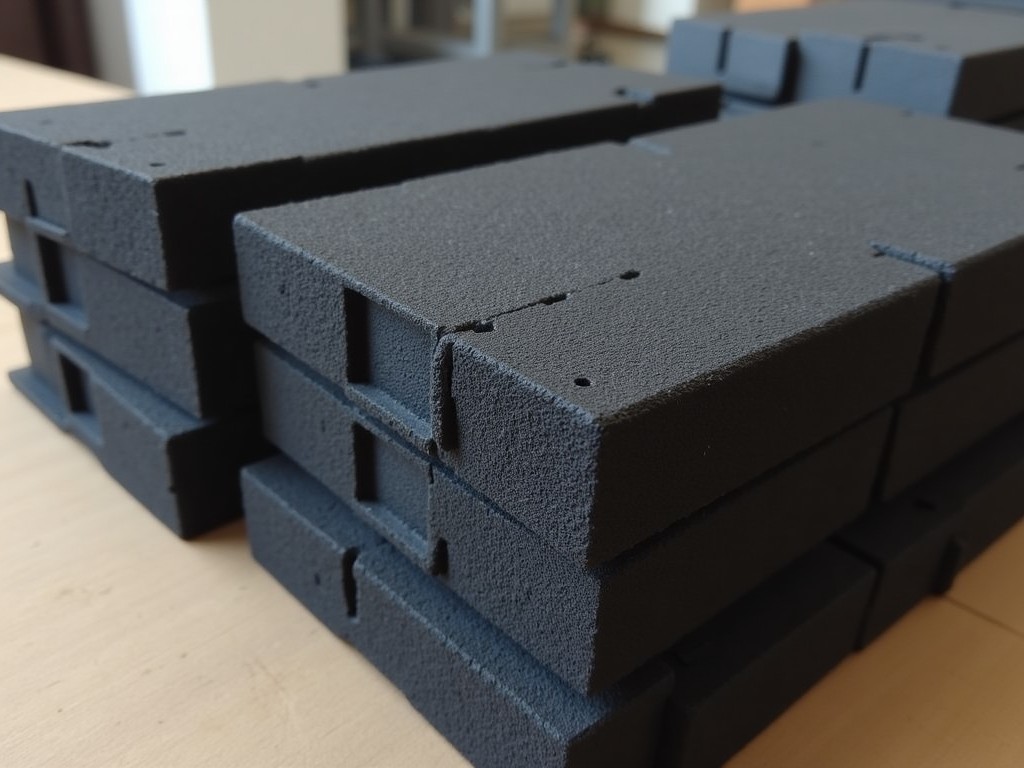
Oem Coal Recarburizer Factory
OEM Coal Recarburizer Manufacturing and Customization
In modern steelmaking, precise control over carbon content during the melting phase is critical for achieving the desired final alloy properties. Coal recarburizers serve as a primary source of carbon in Electric Arc Furnace (EAF) operations and secondary refining processes. A specialized OEM approach allows steel mills to procure these consumables tailored to the specific chemical requirements of their proprietary steel grades, ensuring consistent yields and minimizing slag formation.
The efficacy of a recarburizer depends on the uniform distribution of its components and the chemical purity of the raw materials. By optimizing the ratio of coal, coke, and specific additives, manufacturers can ensure that carbon is released at the correct rate under thermal stress. This precision prevents over-carbonization and helps maintain the structural and chemical integrity of the steel melt.
Technical Specifications and Chemical Composition
The following table outlines the standard technical parameters for industrial-grade recarburizers. These values are adjustable based on the specific metallurgical needs of the project and the target steel grade being produced in the furnace.
| Parameter | Typical Value | Customization Note |
|---|---|---|
| Carbon (C) | 75.0% - 92.0% | Adjusted based on carbon demand |
| Ash (As) | < 8.0% | Lower ash reduces slag volume |
| Sulfur (S) | < 0.05% | Critical for specialty high-strength steels |
| Phosphorus (P) | < 0.02% | Controlled via raw material selection |
| Moisture (H) | < 1.0% | Ensures product stability during transport |
| Bulk Density | 0.8 - 1.2 g/cm³ | Optimized for feeding efficiency |
OEM Customization Capabilities
OEM manufacturing of recarburizers requires a deep understanding of the client's specific furnace environment. We offer various physical forms of the recarburizer, ranging from briquettes and pellets to finely ground powders. The physical form directly impacts the surface-area-to-volume ratio, which dictates the carbon dissolution rate within the melt.
Material selection is another critical aspect of the customization process. For mills requiring low-sulfur steel, we utilize high-purity coal and specialized coke blends. Conversely, for standard carbon steels, cost-effective raw materials can be utilized without compromising the functional performance of the final product.
Particle Size Distribution: Tailored diameters for specific feeding equipment or manual charging.
Chemical Blending: Precise ratios of additives to meet alloy-specific metallurgical requirements.
Moisture Resistance: Enhanced binding processes to prevent degradation in humid storage conditions.
Custom Packaging: Bulk bags or moisture-proof containers designed for logistics infrastructure.
Manufacturing Process and Quality Assurance
The production cycle begins with the rigorous testing of raw materials. Coal and coke are analyzed for volatile matter, fixed carbon, and trace elements. Once verified, these materials undergo high-intensity mixing to ensure that every unit of the recarburizer produced is chemically identical, preventing fluctuations in the steelmaking process.
After mixing, the material is formed into its required geometry under high pressure. This compression stage is vital for achieving the necessary density to prevent crumbling, which would lead to erratic carbon release. The final products undergo a controlled drying phase to stabilize moisture levels, ensuring the product remains structurally sound during long-term storage.
Quality control is integrated into every stage of the factory operation. We perform batch-testing on finished goods to verify the chemical profile and mechanical strength. This technical-data-driven approach provides procurement managers with the confidence that the recarburizer will perform according to the technical specifications provided during the design phase.
Industrial Applications
Recarburizers are indispensable in environments where steel chemistry adjustment is a frequent requirement. The most common application is in Electric Arc Furnaces (EAF), where they are added during the later stages of melting to adjust the carbon content of the molten iron.
EAF Steelmaking
In EAF operations, recarburizers provide a cost-effective method to introduce carbon while managing the thermal balance of the furnace.
Secondary Refining
Used in ladle furnaces and vacuum degassers to fine-tune the carbon levels of high-grade alloy steels.
Request Technical Specifications and Quotation
Our engineering team is available to discuss your specific metallurgical requirements and provide a customized recarburizer solution.
Contact Our Technical Team


×