-
Call Now ! +86 18231158869
-
Email Now [email protected]

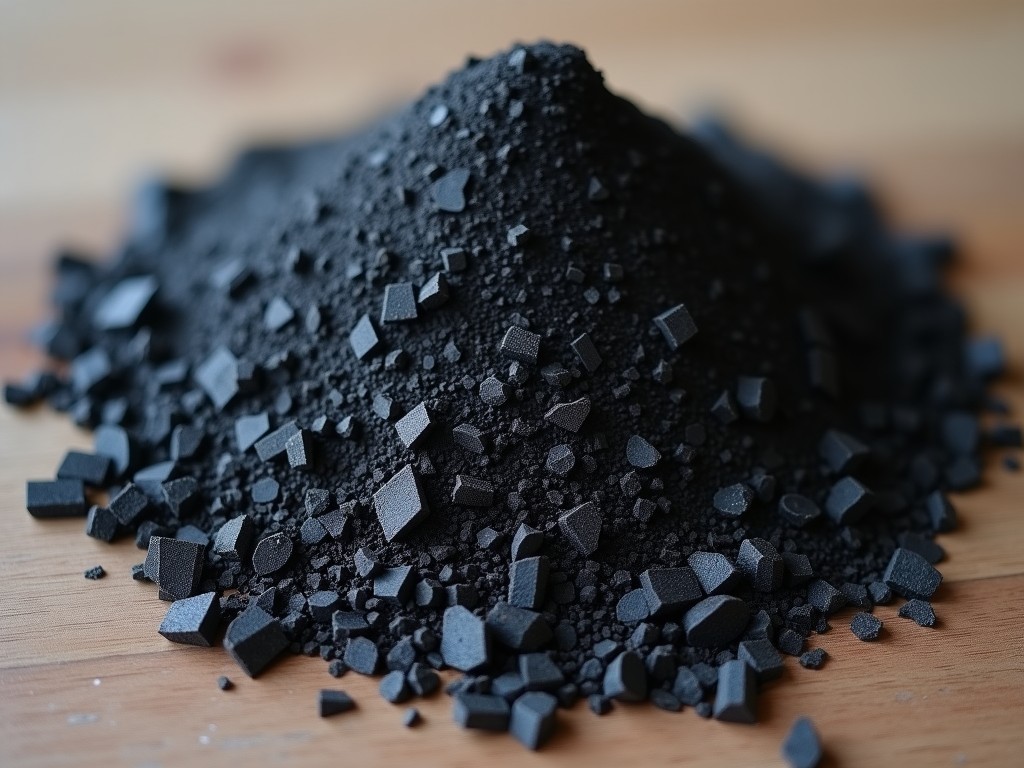
Oem Flake Graphite Cast Iron
OEM Flake Graphite Cast Iron Technical Specifications and Applications
Flake graphite cast iron, frequently referred to as grey iron, is characterized by the formation of graphite flakes within a pearitic or ferritic matrix during the cooling process. This specific microstructure provides a unique combination of mechanical properties that are essential for OEM components requiring dimensional stability and thermal management. Unlike nodular iron, the sharp geometry of the graphite flakes enhances thermal conductivity and vibration damping capabilities, making it the primary material for high-precision industrial assemblies.
Engineering Properties and Performance Characteristics
The primary technical advantage of selecting flake graphite cast iron is its exceptional vibration damping capacity. The graphite flakes act as internal friction points that absorb and dissipate kinetic energy, preventing resonance in heavy machinery during high-speed operations. This property is critical for machine tool beds where surface finish must be maintained under heavy cutting loads.
Furthermore, the material exhibits high thermal conductivity compared to other ferrous alloys. This allows for rapid heat dissipation in components such as brake discs and engine cylinder liners, minimizing thermal stress and preventing localized deformation. Machinability is also a significant factor; the graphite flakes serve as natural chip breakers, reducing tool wear and increasing material removal rates during high-volume OEM production.
Comparison of Typical Material Grades
| Grade (ASTM/ISO) | Tensile Strength (MPa) | Hardness (HBW) | Elongation (%) | Primary Application |
|---|---|---|---|---|
| Class 20 / Grade 250 | 140-260 | 160-190 | 0.8% | General housings, brackets |
| Class 30 / Grade 300 | 200-310 | 190-220 | 1.0% | Engine components, gears |
| Class 40 / Grade 400 | 260-400 | 230-260 | 0.5% | High-wear resistant parts |
Industrial Applications and Selection Logic
OEM buyers select flake graphite cast iron based on specific environmental demands of the end product. In the automotive sector, it is utilized for engine blocks and brake rotors because of its thermal stability and wear resistance under friction.
Machine Tooling: Used for beds and columns to ensure vibration-free operation and micron-level precision during machining.
Hydraulic Systems: Applied in pump housings and valve bodies where leak resistance and pressure containment are required.
Automotive Components: Employed in crankshafts and camshafts due to high fatigue strength and excellent bearing properties.
OEM Customization and Manufacturing Process
Manufacturing custom flake graphite components requires precise control over chemical composition and cooling rates. By adjusting the levels of elements like copper, phosphorus, and manganese, engineers can manipulate the graphite flake size and the matrix structure (ferrite vs. pearlite). This directly impacts the hardness and tensile strength of the finished part.
Sand casting remains the most common method for large OEM parts, allowing for complex internal geometries and cost-effectiveness. For smaller components requiring tighter tolerances and superior surface finishes, precision investment casting is utilized to minimize post-machining requirements and material waste.
Quality Assurance and Inspection Protocols
To ensure compliance with OEM specifications, several rigorous testing methods are employed. Microstructural analysis is performed to verify the graphite flake morphology and distribution, ensuring the material meets the design intent.
Non-destructive testing (NDT), such as ultrasonic inspection, identifies internal porosity or shrinkage defects. Hardness is measured via the Brinell scale across critical sections to ensure uniform properties. Each batch undergoes a chemical analysis via optical spectroscopy to confirm that the carbon content and alloying elements fall within the specified tolerance ranges.
Requires custom specifications for OEM flake graphite cast iron components? Our engineering team can provide technical consultation for your specific project requirements.
Request Technical Quotation


×